
A Two-Pronged Approach to Pretreatment Saved Lawrence & Memorial Hospital Thousands
- Nov 30, 2020
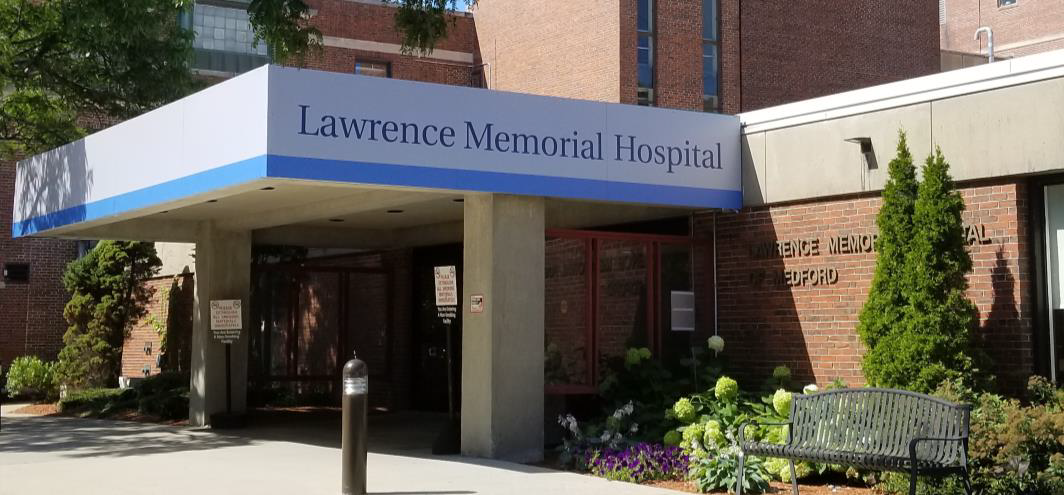 Hospitals and other health care facilities often operate extensive commercial kitchens. But unlike restaurants, hotels and other foodservice establishments, hospitals face additional cost-control, sanitation and operational challenges.
They have one or more commercial kitchens that may feed effluent into plumbing systems that run for hundreds or thousands of feet before exiting the building.
Hospitals also operate on a 24/7 basis, requiring them to keep downtime to a minimum. They don’t close for holidays, and their kitchens must keep operating matter what.
These factors mean that hospitals face unique pretreatment challenges. Facility managers and engineers must carefully consider their pretreatment technology, or risk high-cost repairs and even breakdowns that could threaten the health of patients and workers.

 What is your plan when a city official, contractor, or engineer says a 1,000-gallon grease interceptor must be installed in your drive-through, parking lot, or another area where vehicles will be driving over it every day?
  Commercial kitchen operators already know the benefits of using grease interceptors to capture used oil and grease -- cleaner sewage systems, reduced costs for wastewater treatment plants and fewer fines from municipalities.
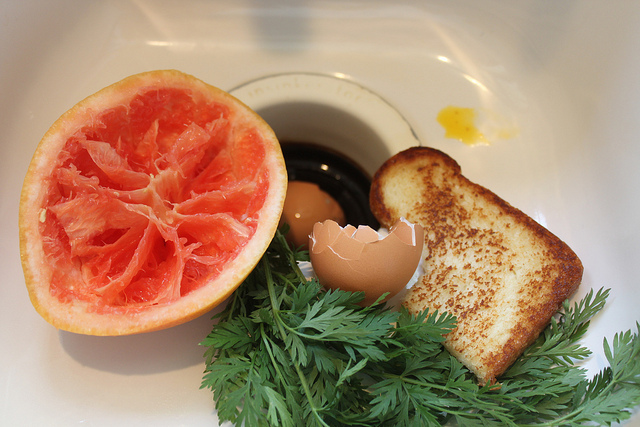 When it comes to disposing of food waste, which works best for commercial kitchens and our waterways – garbage disposals or strainers?
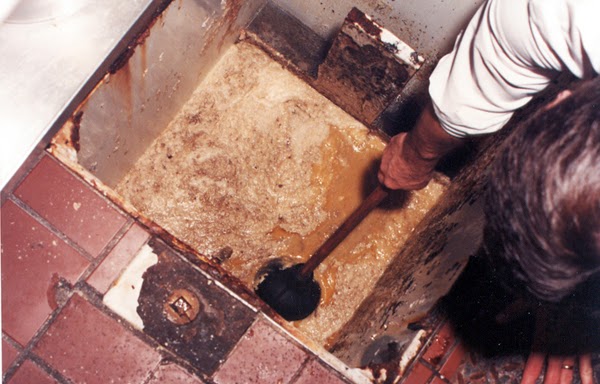 Grease interceptors have different weaknesses and points of failure depending on what they’re made of. Those materials affect how durable a particular grease trap is, and often affect how it’s designed. Design choices, in turn, also affect the reliability and durability of a grease trap.