
How Narragansett Bay reaped the rewards of wastewater pretreatment
- Jul 21, 2015
 The damage that grease and other pollutants can inflict on the environment is well documented, but few cases illustrate this as well as Narragansett Bay in Rhode Island.
Narragansett Bay is a prime example of what untreated sewage can do to the environment. However, it’s also a great case study in how pretreatment can help turn around polluted waterways and help reverse the impact of pollution.
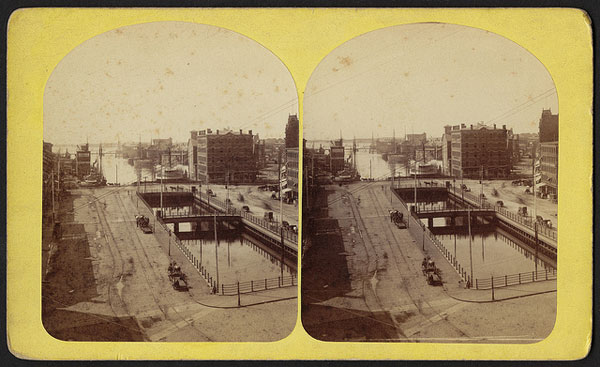
The problem began in the 18th century when Rhode Islanders would empty their raw sewage directly into their nearby rivers that flowed into the bay. By the 1970s, nearly 65 million gallons of untreated sewage was flowing into Rhode Island’s waters each day. Grease deposits the size of soccer balls were sometimes seen floating in the bay. The bay’s shellfish beds, which had created a booming industry, were closed.
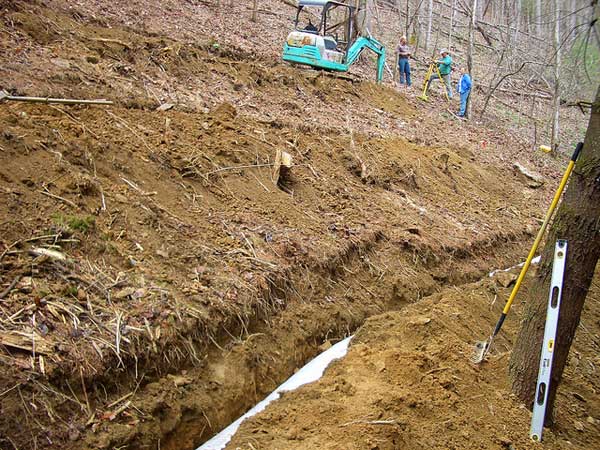 If you live in a rural area, chances are good that you use a septic system to treat your wastewater. If that’s the case, you’re probably careful about what goes down the drain and into the tank. You might, for example, pour any used cooking oil or grease into a disposable container and toss it into the garbage can. Sound familiar?
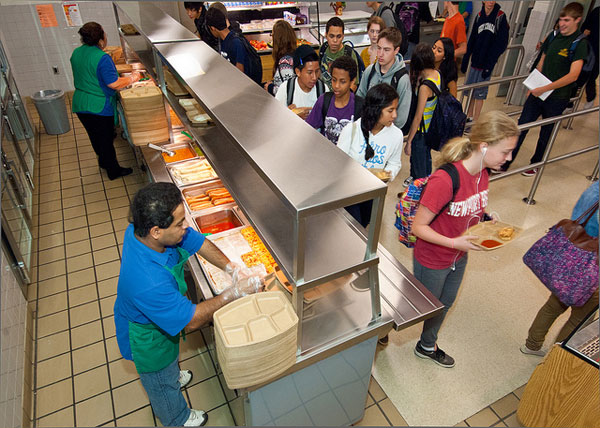 A packed-to-the-gills restaurant during dinner rush doesn’t hold a candle to the hustle and bustle — both in and out of the kitchen — of a middle school cafeteria during the lunch hour.
 The federal government takes grease seriously. Very seriously. In fact, the Department of Justice is ready, and willing, to issue federal jail time to any individual who knowingly violates the Clean Water Act, a standing tenet of which is proper grease disposal.
 Imagine taking a paintbrush to the broadside of an old barn: Your goal is probably to cover the expanse uniformly with one color. But the result would likely be a lot different if you didn’t consider the number of boards you might have to replace, holes that need patching or nails that need to be driven back into the wood.
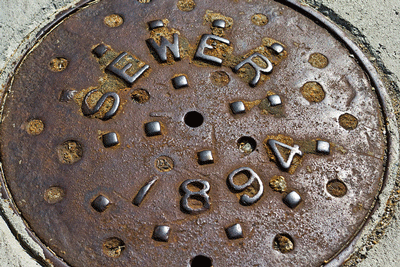 The EPA estimates the total number miles of sewer lines snaking across the country to be about 1.2 million. Considering some of these lines are over 100 years old, local governments will spend billions of dollars modernizing failing wastewater systems over the next 10 to 20 years.
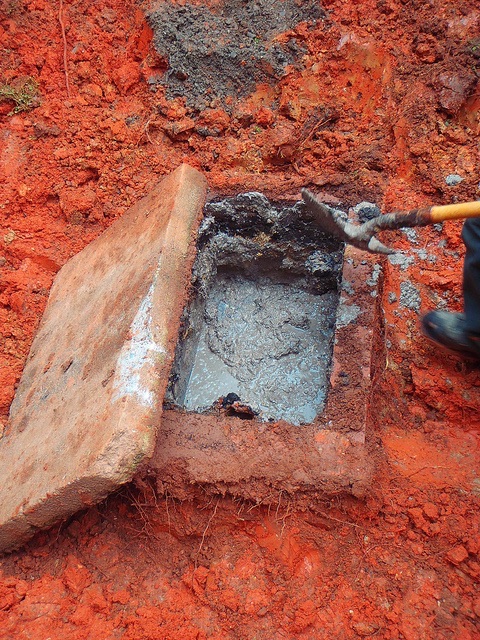 In 1884, Nathaniel Whiting patented the first grease interceptor design. These oversized, concrete boxes are still the default choice for many in the food-service industry.
 Think about the grease interceptor in your food service establishment.